
If you’ve ever had a kidney stone, you probably don’t need anyone to tell you how painful they can be. And if you haven’t, there’s a good chance you know someone who has.
Out here in the tri-state area of western Nebraska, eastern Wyoming, and northern Colorado, kidney stones tend to come up more often than people expect. Long days outside, heat, wind, and not always drinking enough fluids all play a role.
The good news is a lot of stones can be prevented, and knowing when to get checked can save you from a much bigger problem later on.
Why Kidney Stones Are More Common Here
Daily life in this region creates the perfect conditions for dehydration, which is one of the biggest risk factors for kidney stones.
- Long hours outside in the sun
- Constant wind that dries you out faster than you realize
- Busy days where drinking water gets pushed aside
All of that adds up.
Did you know?
Kidney stones form when minerals in your urine become concentrated and stick together. When you are not drinking enough fluids, that process speeds up.
Did you know?
People who have had one kidney stone are more likely to have another if they do not change hydration habits.
What Kidney Stones Actually Feel Like
A lot of people describe kidney stone pain as one of the worst pains they have ever experienced. Common symptoms include:
- Sharp pain in your back or side that can come in waves
- Pain that moves toward the lower abdomen or groin
- Nausea or vomiting
- Blood in the urine
- Frequent or painful urination
Sometimes the symptoms start mild and build over time, which is why people try to wait it out longer than they should.
Prevention Starts with Staying Hydrated
The most effective way to help prevent kidney stones is to stay well hydrated, especially during the hot summer months. If you have a history of kidney stones, experts recommend drinking enough fluids to produce at least 2.5 liters of urine each day. For most people, that means consuming approximately 80–100 ounces (2.5–3 liters) of fluids daily, with the majority coming from water.
Did You Know?
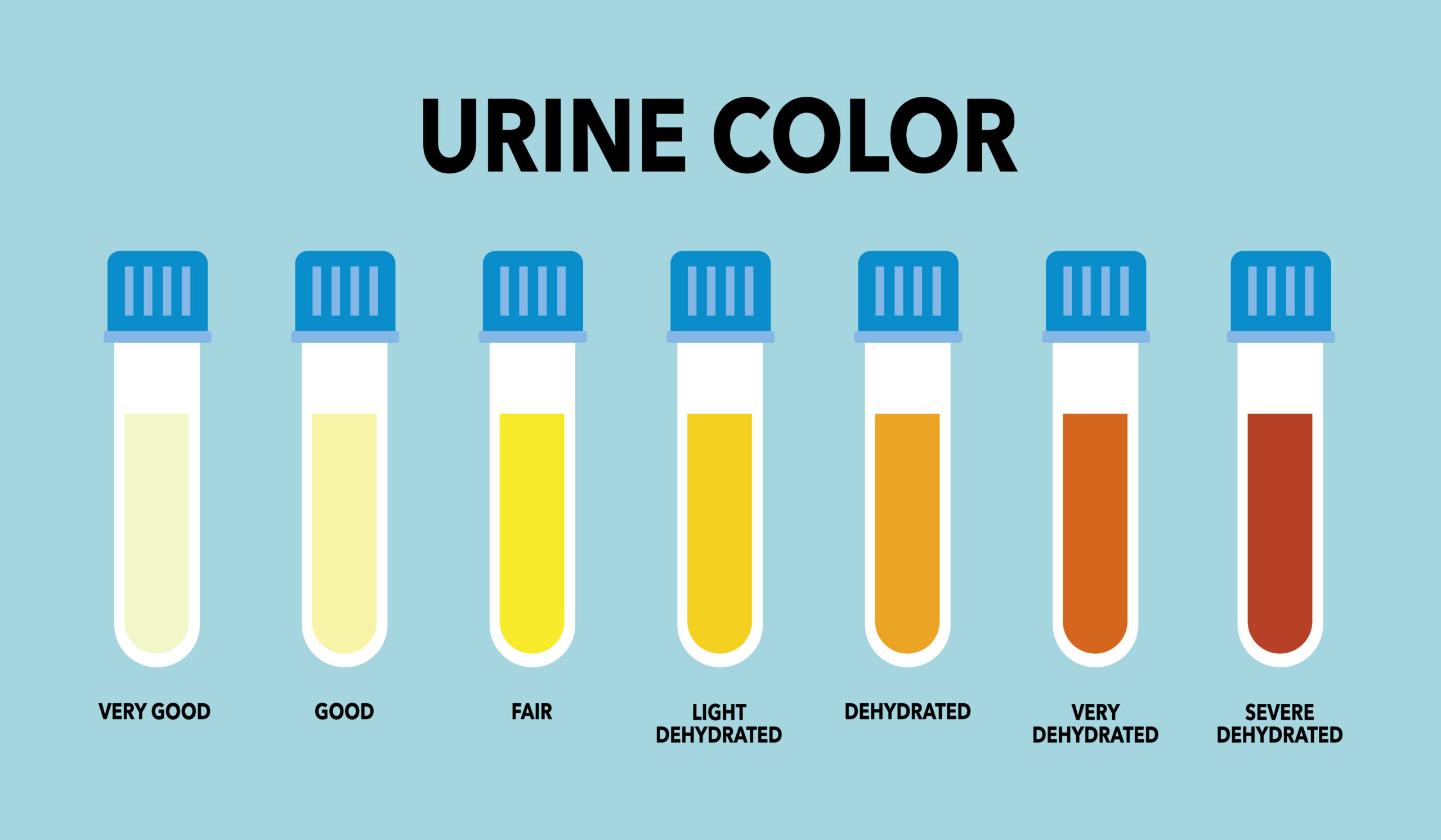
Your urine color can be a good indicator of hydration. Dark yellow urine often signals dehydration, while a pale, light-yellow color generally means you’re getting enough fluids.
Smart Hydration Habits
What helps:
- Drink water consistently throughout the day, not just when you feel thirsty
- Start hydrating before spending time outdoors
- Increase fluid intake on hot, dry, or windy days
- Keep a water bottle nearby as a reminder to drink regularly
Don’t Forget Electrolytes
You can also benefit from replacing electrolytes, especially if you’re sweating for extended periods. Electrolytes are minerals lost through sweat that help regulate fluid balance and support normal body function.
Simple ways to replenish electrolytes include:
- Sports drinks such as Gatorade
- Electrolyte drink mixes like Liquid I.V. added to water
- Alternating water with an electrolyte beverage during long periods of outdoor activity
Watch Your Sodium Intake
If you have a history of kidney stones, it’s also important to monitor how much sodium you consume. Excess sodium can increase calcium levels in the urine, which may contribute to the formation of calcium-based kidney stones—the most common type of kidney stone.
A Few Things People Don’t Expect
There are a few factors that catch people off guard when it comes to kidney stones.
Did you know?
- High salt intake can increase your risk of stones
- Not drinking enough fluids during the winter can still lead to stones later on
- Even active, healthy people can develop stones if hydration is not consistent
Hydrating with electrolytes is good (especially in the heat), but patients with a history of kidney stones need to be cautious on how much sodium is in the drink. It’s recommended to consume no more than 2,300 mg of sodium daily for stone prevention. Out here, it is easy to underestimate how much fluid you are losing, especially when the wind is steady and you are not noticing sweat.

When to See a Urologist
Not every issue needs immediate care, but there are times when it is worth getting checked out. You should consider seeing a urologist if you have:
- Ongoing or recurring pain in your side or lower back
- Blood in your urine
- Frequent urinary issues that do not go away
- A history of kidney stones
If you think you may be actively passing a kidney stone or are in severe pain, that is something that should be evaluated right away. Getting checked early can help prevent complications and may make treatment much simpler.
Why It Matters to Stay Ahead of It
Kidney stones are one of those things that can go from manageable to miserable pretty quickly. Out here, where days are long and access to care is not always right down the street, prevention matters more. A few simple habits like staying hydrated, paying attention to your body, and not ignoring symptoms can go a long way.
Stay Ahead of It This Season
Summers in this area are hot, dry, and demanding. Most people are not slowing down anytime soon. Taking a few extra steps to stay hydrated and aware of early symptoms can help you avoid a situation that no one wants to deal with. If something does not feel right, it is always better to get it checked than to wait it out.
This article was reviewed by the Sidney Regional Medical Center team.